

Ingredients in Arabian perfumes – Omaya and history
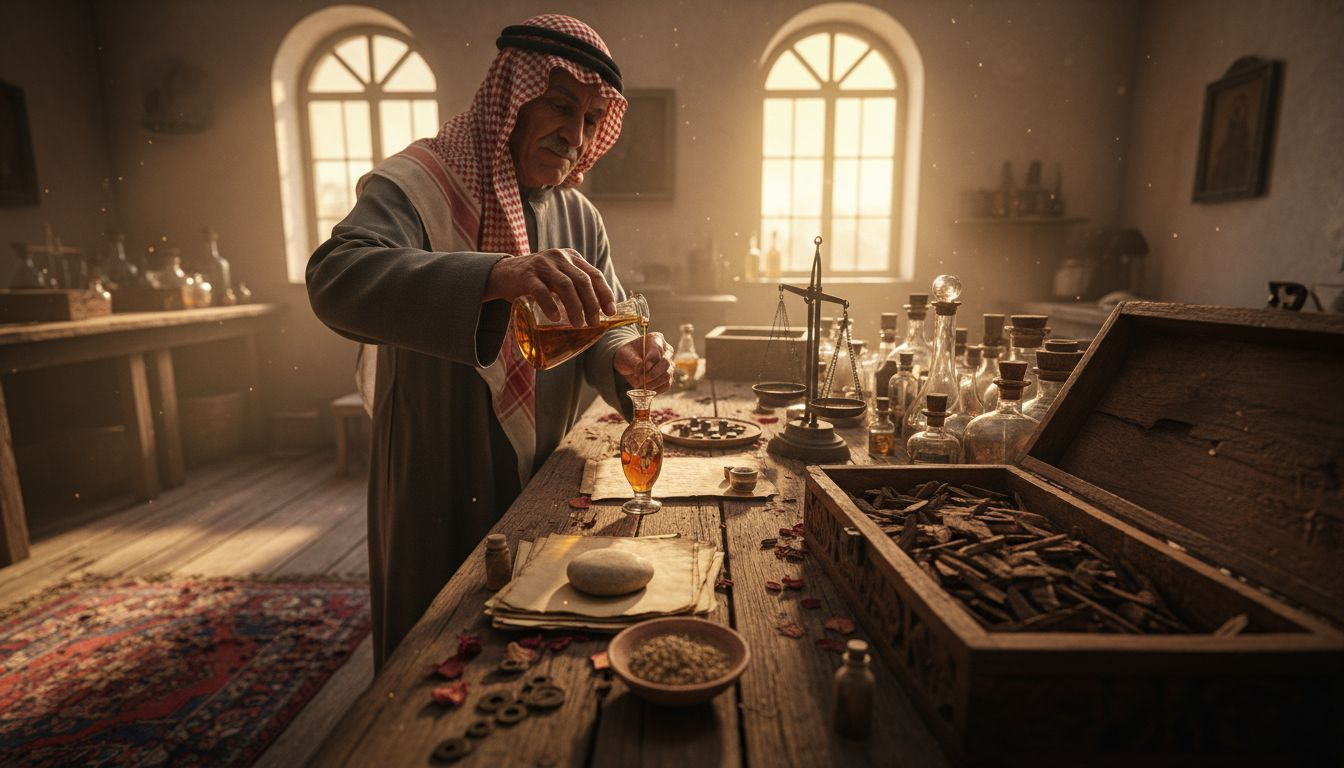
Choosing an original Arabian perfume is by no means a quick fashion choice but an immersion in a valuable tradition where every ingredient carries its own story and cultural significance. For many European lovers of oriental scents, this opens a world of natural oils, rare resins, and unique extracts, whose quality is preserved through precise extraction techniques and craftsmanship. Here you will discover the real differences in the ingredients and how they turn every Arabian perfume into a special gift and personal experience.
Contents
- What distinguishes the ingredients in Arabian perfumes
- Main types of oils and rare notes
- Process of extraction and processing of raw materials
- Oil-based, alcohol-based, and bakhoor formulas – comparisons
- Risks in ingredient selection and use
- European regulations and fragrance safety
Key conclusions
| Point | Details |
|---|---|
| Unique ingredients | Arabian perfumes use natural resins, rare oils, and animal musk, which sets them apart from Western ones. |
| Multilayered scents | Arabian perfumes are characterized by longevity of over 12 hours and a complex composition. |
| Caution when choosing | It is recommended to conduct an allergy test when using a new perfume due to potential risks. |
| Safety regulations | European regulations set high safety standards for fragrances, including mandatory allergen labeling. |
What distinguishes the ingredients in Arabian perfumes
Arabian perfumes differ from Western ones due to their unique, rich, and multilayered ingredients that create distinctive scents with depth and character. While most European perfumes rely on classic floral or citrus notes, Arabian perfumes draw their magic from ancient traditions and exotic natural ingredients.
The main distinctive features of Arabian perfumes include:
- Natural resins such as Lebanese frankincense and Arabian myrrh
- Wood extracts from sandalwood and agarwood (oud)
- Rare essential oils from plants that grow only in specific regions
- Animal musk as a traditional fragrance fixative
- Precious plant ingredients such as Damascus rose and saffron
These ingredients are not just aromatic components but a true story of the culture and nature of the Middle East. Fragrant traditions represent a complex art passed down through generations of artisans and perfumers.
Arabian perfumes are characterized by an exceptionally long-lasting and intense scent that gradually unfolds on different levels. Unlike Western perfumes, which fade quickly, oriental fragrances have a multilayered composition that can last over 12 hours on the skin.

Here is a summary of the main differences between Arabian and Western perfumes:
| Aspect | Arabian perfumes | Western perfumes |
|---|---|---|
| Origin of ingredients | Natural resins, oud, musk | Flowers, citrus, synthetics |
| Longevity of the scent | Over 12 hours | Usually under 8 hours |
| Presence of rare oils | Common | Rare or limited |
| Main character | Multilayered, intense | Light, often monotonous |
| Cultural significance | Connected with traditions | Focus on fashion |
Professional advice: When choosing an Arabian perfume, testing on the skin is essential because each scent reacts differently with the individual chemistry of the body.
Main types of oils and rare notes
In the world of Arabian perfumes, there are many exceptional oils and notes that give a unique and magical scent. These specific ingredients are the result of centuries-old traditions and deep knowledge of natural extracts from the Middle East.
The main types of oils include:
- Oud oil (agarwood) – an extremely rare and precious extract
- Damask rose oil – with an intense and rich floral aroma
- Musk oil – a traditional fixative of animal origin
- Lebanese frankincense – a resinous essence with a deep oriental aroma
- Saffron oil – a luxurious extract of exceptional rarity
The rarest oil is black oud, which is extracted from infected trees and can cost more than gold. Precious Arabian oils are a true treasure requiring special skills for extraction and processing.
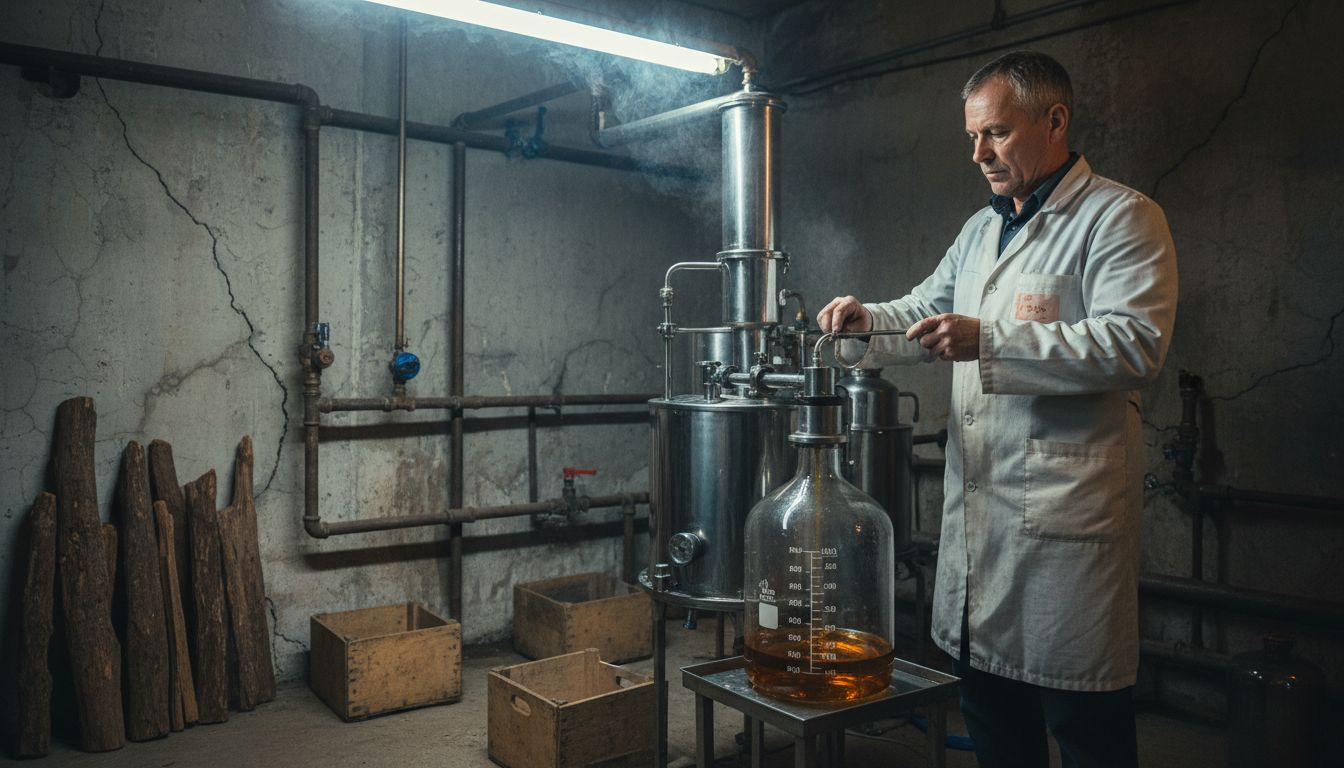
Arabian perfumers use these oils not just as aromatic ingredients but as true art to create multilayered and long-lasting perfume compositions. Each oil has its unique role – some form the base, others add depth, and others fix the scent.
Professional advice: When choosing an Arabian perfume, always check the ingredient list and look for as many natural oils as possible, which guarantee authenticity and quality.
Process of extraction and processing of raw materials
The extraction of ingredients for Arabian perfumes is an extremely delicate process that combines centuries-old traditions with modern technologies. Each raw material undergoes complex extraction methods requiring special skills and precision from master perfumers.
The main extraction methods include:
- Steam distillation for extracting essential oils
- Maceration of plant materials
- Cold pressing for citrus essences
- Solvent extraction for delicate aromas
- Filtration for purifying the obtained oils
Traditional extraction techniques require extreme attention to temperature and extraction process, aiming to preserve the natural aromatic molecules as much as possible.
The most expensive ingredients, like black oud or saffron oil, undergo extremely precise processing. For example, black oud is harvested only from specifically infected trees, making it an exceptionally rare and costly material. Every stage of extraction is controlled with high precision to preserve the purity and intensity of the aroma.
Professional advice: When purchasing an Arabian perfume, always check the origin of the oils and their extraction methods, which are direct indicators of the final product's quality.
Oil-based, alcohol-based, and bakhoor formulas – comparisons
The world of Arabian perfumes offers three main types of fragrance formulas, each with unique characteristics and applications. These different forms reflect the richness and depth of the oriental perfumery tradition, satisfying various aesthetic and practical preferences.
The main formula types include:
- Oil-based formulas: Most concentrated and long-lasting
- Alcohol-based formulas: Lighter and quickly diffusing
- Bakhoor formulas: Aromatic wood chips for rooms
Traditional fragrance formulas have different intensities and usage methods. Oil-based formulas are closest to authentic Arabian perfumery traditions, applied directly on the skin and possessing exceptional longevity.
Alcohol-based perfumes are lighter and more accessible, containing alcohol that evaporates quickly and releases gentler aromatic notes. They are more popular among Western audiences due to the familiar application method. Bakhoor, on the other hand, is a scented wood chip mainly used for room fragrance by burning and creating aromatic smoke.
The following table compares the three main types of Arabian fragrance formulas:
| Formula type | Usage method | Strength and longevity | Suitable occasions |
|---|---|---|---|
| Oil-based | On skin, pulse points | Very high, 12+ hours | Special occasions, rituals |
| Alcohol-based | Spraying on clothes or skin | Medium, 4-8 hours | Daily use |
| Bakhoor | Indoor burning | Strong, aromatic atmosphere | Home, celebrations, guests |
Professional advice: When choosing an Arabian perfume, try different formulas on your skin to see how they react with your individual body chemistry.
Risks in ingredient selection and use
When choosing and using Arabian perfumes, there are certain health and safety risks that consumers should carefully consider. Different ingredients can cause unexpected reactions, especially in people with sensitive skin or allergies.
The main risk factors include:
- Allergenic ingredients with potential for skin irritation
- Synthetic components with hormonal effects
- Heavy metals in some perfume formulas
- Hidden chemical additives of unknown origin
- Unnatural preservatives with irritating effects
Toxicological studies of perfume ingredients reveal serious potential risks from long-term exposure. Some synthetic components can cause allergic reactions, breathing problems, and even hormonal disruptions.
Special attention should be paid to contact dermatitis and skin irritations that may occur from improper perfume selection. People with sensitive skin are more prone to adverse reactions, so it is recommended to always conduct a preliminary test on a small skin area.
Professional advice: Before using a new perfume, perform an allergy test by applying a small amount on the inside of your wrist and wait 24 hours to check for any irritation.
European regulations and fragrance safety
European safety regulations for perfumes and fragrances are among the strictest in the world, setting high standards for consumer protection. They cover all aspects—from production and ingredients to labeling and market control.
The main requirements include:
- Mandatory labeling of allergenic ingredients
- Quantitative limits for potentially hazardous substances
- Ban on toxic components
- Regular toxicological testing
- Transparency in informing consumers
European regulatory mechanisms are designed to provide maximum health protection. Regulation (EU) 2023/1545, for example, expands labeling requirements by obliging manufacturers to list over 80 potential allergens in cosmetic products.
The International Fragrance Association (IFRA) complements European regulations with additional safety guidelines. They ensure that every fragrance ingredient undergoes strict risk assessments, including analysis of concentrations, toxicity, and potential side effects.
Professional advice: Before purchase, always check the perfume label for the allergen list and ingredient origin, especially if you have sensitive skin.
Discover the magic of Arabian ingredients with original perfumes from Zinora.bg
In this article, you have learned how special and rare the ingredients in Arabian perfumes are and how exactly they give the scent a unique character and longevity. If you are looking for genuine natural oud, centuries-old oils like Damask rose or saffron, or want to immerse yourself in the rich tradition of Arabian scents with exceptional quality and authenticity, we at Zinora.bg offer a wide selection of original Arabian perfumes, including the best brands like Lattafa, Ard Al Zaafaran, and Maison Alhambra.
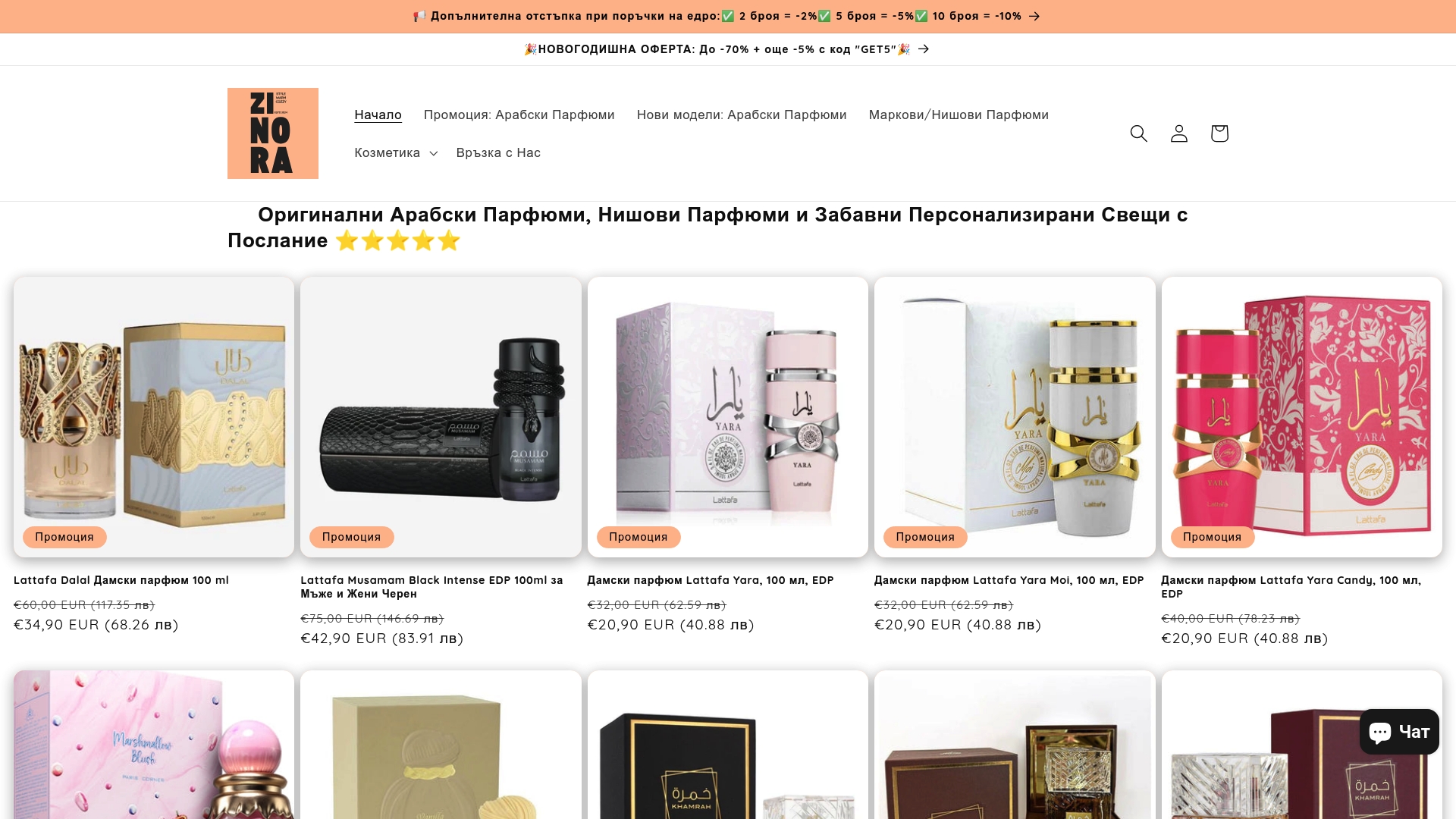
Don't miss the chance to get a perfume with proven origin and entirely natural ingredients with an additional discount on bulk orders and free shipping over 100 euros. Browse our official website to choose the scent that best reflects your individuality and cultural connection to Arabian perfumery traditions. Order now and feel the magic of true Arabian oils and fragrances as soon as tomorrow.
Frequently Asked Questions
What ingredients are used in Arabian perfumes?
Arabian perfumes use unique ingredients such as natural resins, wood extracts, rare essential oils, and animal musk.
What is the difference between Arabian and Western perfumes?
Arabian perfumes have multi-layered, intense scents with longevity over 12 hours, while Western ones are usually lighter and shorter-lasting.
How to choose an Arabian perfume?
When choosing an Arabian perfume, it is important to test the scent on your skin and check the ingredient list for the presence of natural oils.
What are the risks of using Arabian perfumes?
Some Arabian perfumes may contain allergenic ingredients that cause skin irritation, so it is advisable to perform an allergy test before use.
Recommended
- Original Arabian Lattafa Set - Women's Yara and Men's Asad – Zinora.bg
- Pink Yara – a perfume that enchants by Lattafa Perfumes - Zinora – Zinora.bg
- Original Women's Arabian Perfume Lattafa Yara Moi, EDP | White Yara – Zinora.bg
- Women's Perfume Lattafa Yara Ard Al Zaafaran, 50 ml, EDP – Zinora.bg